Smart Locks vs. Traditional Locks: Which Is Right for Your Albuquerque Home?
Smart locks have gone from a novelty to a mainstream home security option in a few years, and Albuquerque homeowners increasingly ask whether they should make the switch. The honest answer is that neither option is universally better — the right choice depends on how you use your home, what your security priorities are, and a few Albuquerque-specific factors that most national comparison guides do not account for.
What Each Option Actually Gives You
Traditional Deadbolts
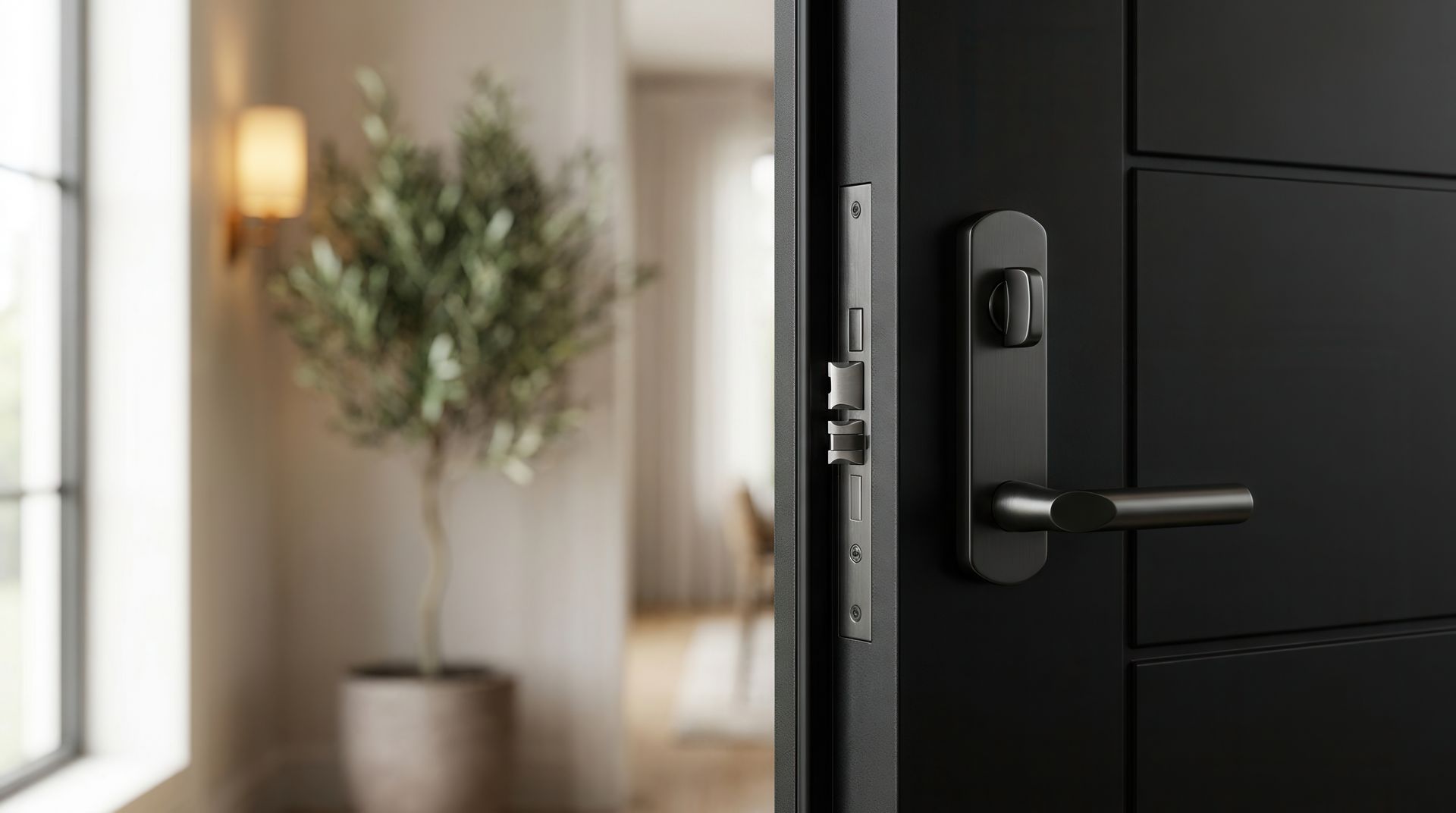
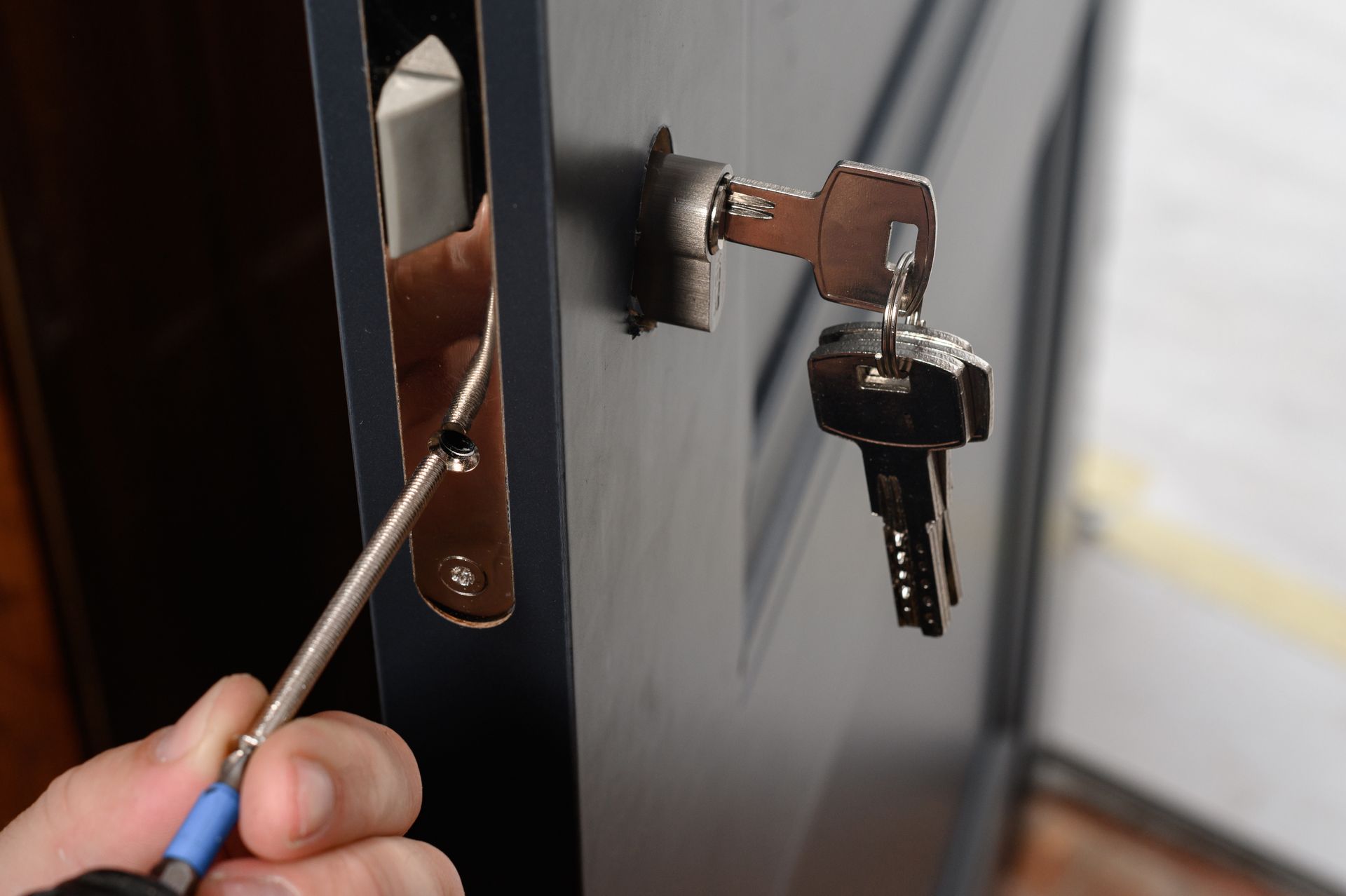
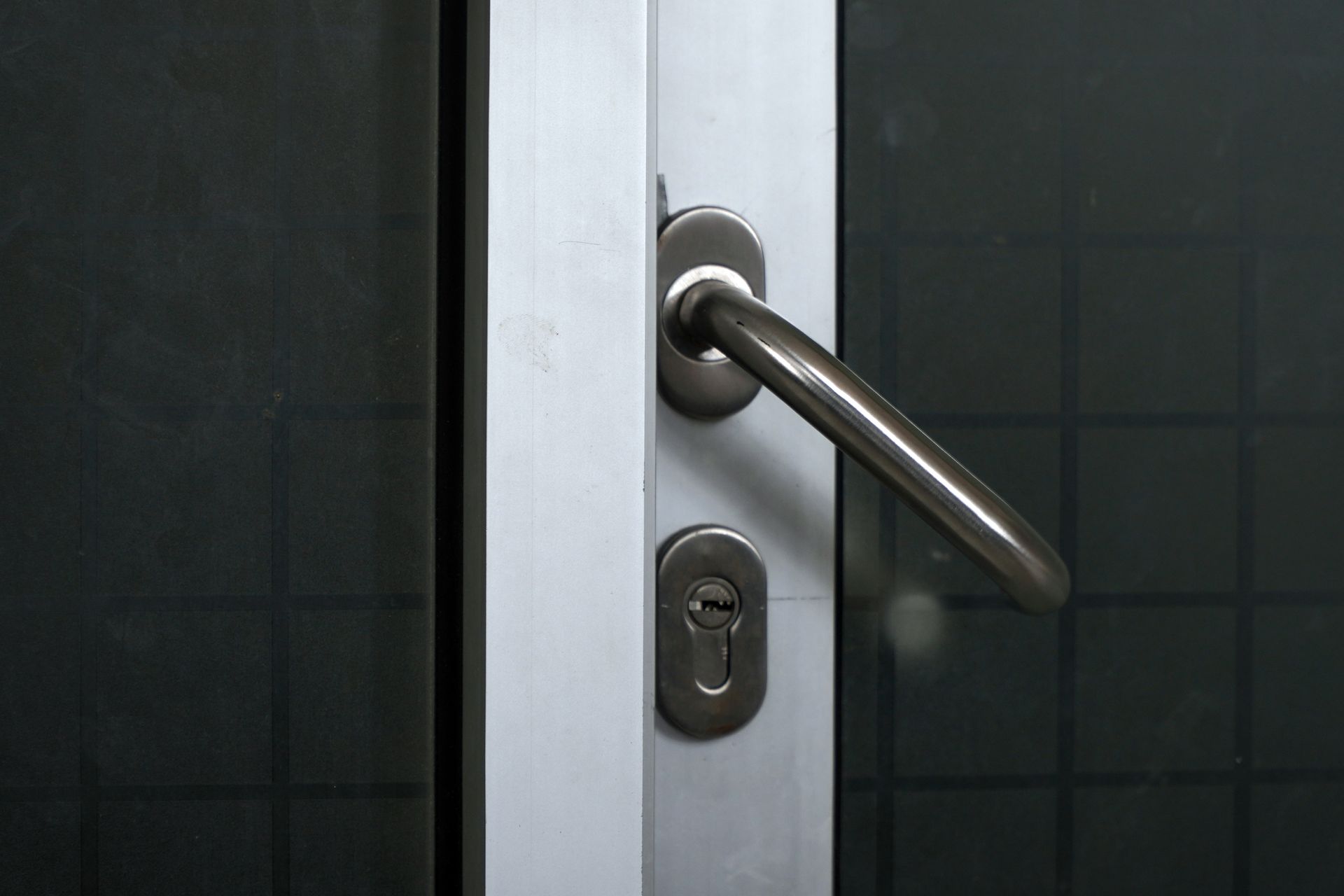
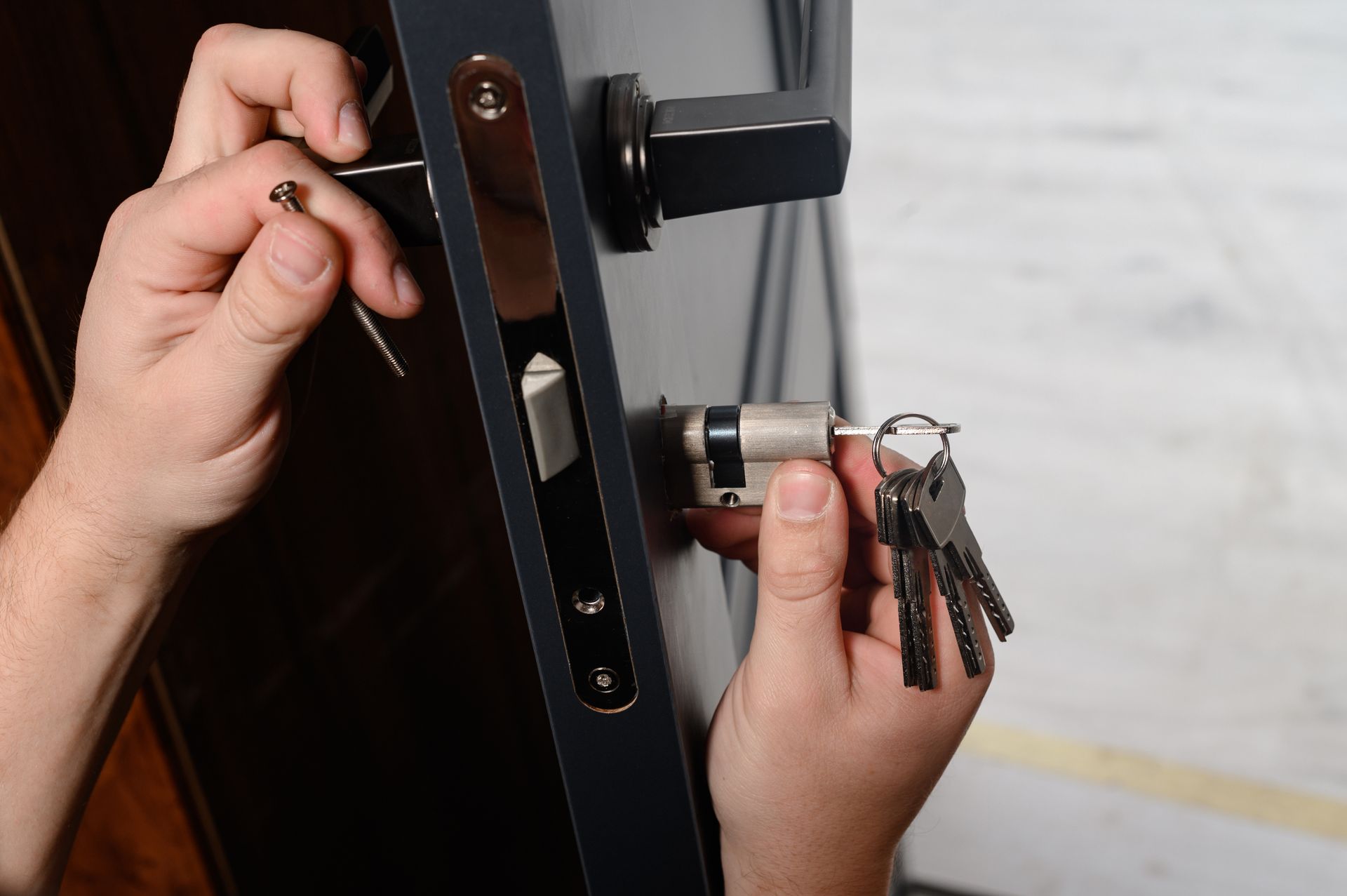
A quality traditional deadbolt — Grade 1 or Grade 2 — is a mechanically simple, physically robust lock that operates entirely without power, connectivity, or software. It has no battery to die, no firmware to update, and no Wi-Fi dependency. Its failure modes are well understood: physical wear, key duplication risk, and forced entry through the cylinder or door frame. A high-security cylinder with anti-pick, anti-bump, and anti-drill features addresses most of these. Traditional locks have been the default for good reason.
Smart Locks
A smart lock replaces or supplements the cylinder with an electronic access system — keypad, fingerprint reader, Bluetooth, Wi-Fi, or some combination. You can unlock the door from your phone, issue temporary codes to contractors or houseguests, receive entry notifications, and set auto-lock timers. The core security mechanism is usually still a deadbolt bolt that physically extends into the frame — the intelligence is in the authentication layer, not the physical barrier.
Where Smart Locks Win
- Key control. You can issue and revoke access codes instantly — no rekeying required when a houseguest overstays or a cleaning service changes staff. This is the strongest practical argument for smart locks in a residential setting.
- Convenience for frequent entry. If you carry groceries, manage a short-term rental, or regularly let in service providers, not needing a physical key is a genuine quality-of-life improvement.
- Remote access. Letting in a family member or service provider when you are not home is straightforward. Most smart lock apps provide real-time entry logs.
- Auto-lock. A smart lock set to auto-lock after two minutes eliminates the most common residential security failure: forgetting to lock the door.
Where Traditional Locks Win
- No dependency on power or connectivity. A traditional deadbolt works identically whether your Wi-Fi is down, your phone is dead, or there is a power outage. In New Mexico, where monsoon season can disrupt connectivity and power, this matters.
- Physical strength ceiling. A high-security traditional cylinder — Medeco, Mul-T-Lock, ABLOY — offers a level of pick resistance, bump resistance, and key control (patented keys) that most smart locks cannot match at the same price point.
- No software attack surface. Smart locks with Wi-Fi or Bluetooth connectivity have, in some cases, had security vulnerabilities discovered in their firmware. A deadbolt has no firmware.
- Lower total cost. A Grade 1 deadbolt costs $40 to $120 in hardware. A quality smart lock costs $150 to $400 or more, plus battery replacement costs over time.
The Albuquerque Factor
New Mexico has specific environmental conditions that affect smart lock performance in ways worth knowing about. Albuquerque sees extreme temperature swings — summer highs above 95°F, freezing overnight lows in winter, and intense UV exposure year-round. Outdoor-rated smart locks handle this reasonably well, but battery life shortens significantly in cold temperatures, and some touchscreen keypads become less responsive in extreme heat. If your front door faces west and gets direct afternoon sun for six months of the year, factor that into your product selection.
The dust and particulate levels in Albuquerque are also worth considering. Keypads and fingerprint readers that are not properly sealed can accumulate dust that affects sensitivity over time. Choose a smart lock rated IP65 or higher for outdoor installation in this climate.
Can You Have Both?
Yes — and this is often the right answer. Many smart locks install over an existing deadbolt, adding the electronic layer while keeping the physical cylinder intact. Some homeowners install a smart lock on the front door for convenience and keep traditional high-security deadbolts on side and rear entries where the key-control benefit of a smart lock is less relevant. A locksmith can assess your specific doors, existing hardware, and security priorities and recommend whether a hybrid approach makes sense for your home.
What Does Installation Involve?
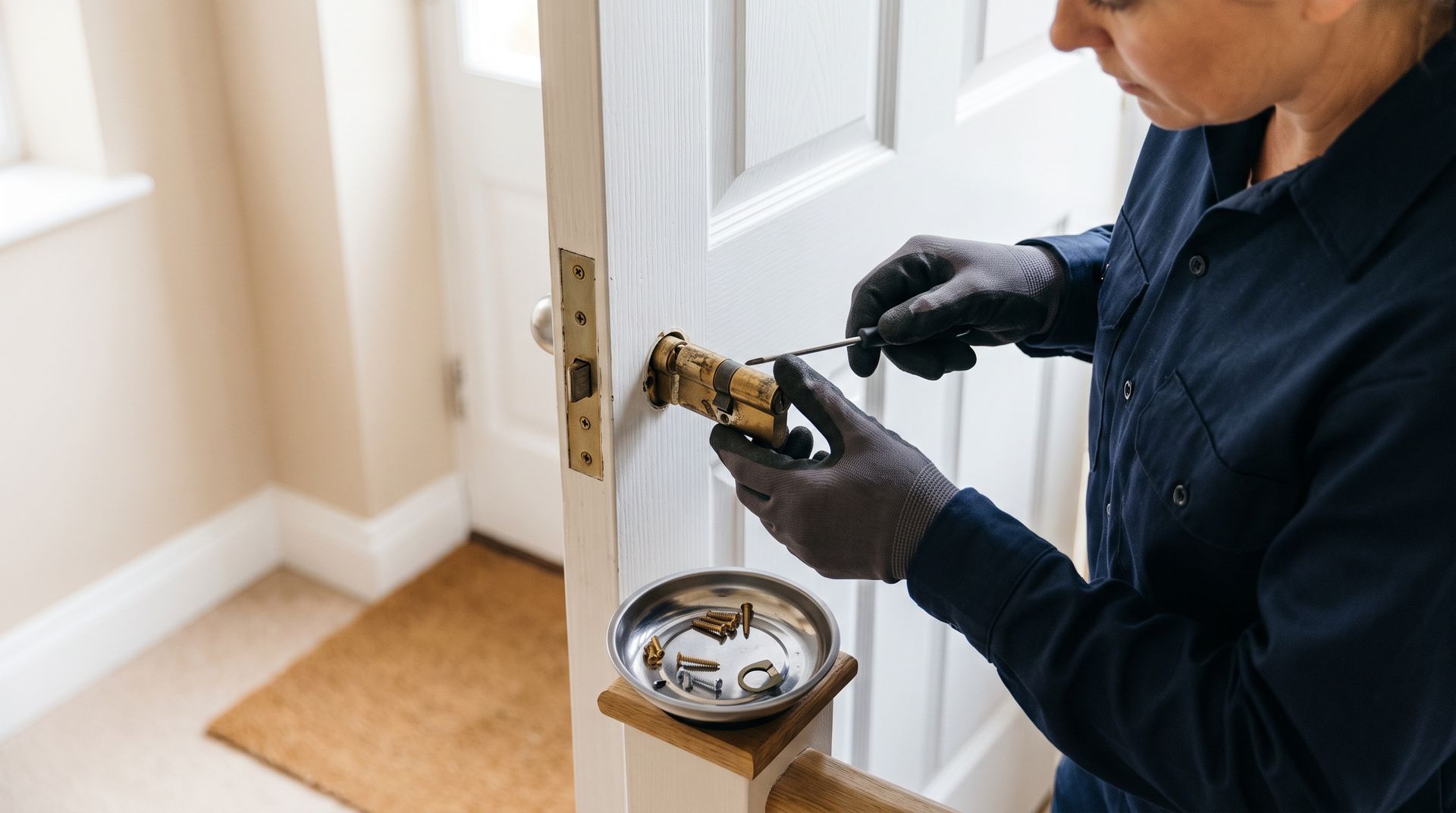
Most smart locks are designed as DIY installs, but there are scenarios where professional installation is the better choice: older doors with non-standard prep, doors that need alignment work, smart locks being integrated into a broader home security system, or commercial-grade smart locks on multi-unit properties. A professional installation ensures the lock is correctly aligned, the latch and bolt engage properly, and the app pairing is completed and tested before the locksmith leaves.
The Lock Shop installs and configures smart locks and keyless entry systems for Albuquerque homeowners and renters, typically in a single visit. For more on what residential lock installation and upgrade services include, visit our residential locksmith services in Albuquerque, NM page.
The Bottom Line
If your priority is key control, convenience, and remote access — and you are comfortable managing an app and replacing batteries once or twice a year — a quality smart lock is a genuine upgrade for an Albuquerque home. If your priority is maximum physical security, zero power dependency, and lowest total cost, a Grade 1 high-security deadbolt professionally installed with a reinforced strike plate is the stronger choice. Most homes benefit from a combination of both approaches depending on the door.
Call The Lock Shop at (505) 221-1222 for an on-site assessment and recommendation specific to your doors and security goals, or visit our locksmith services in Albuquerque, NM