Rekeying vs. Replacing Locks: What Albuquerque Homeowners Should Know
At some point, most Albuquerque homeowners face the same question: someone moved out, a key went missing, or you just bought a new property and have no idea how many copies of the existing key are floating around. You know you need to do something about the locks — but should you rekey them or replace them? The answer depends on a few factors that most people don't think to ask about and getting it wrong means either overspending or under-securing your home.
What Actually Happens in Each Option
Rekeying
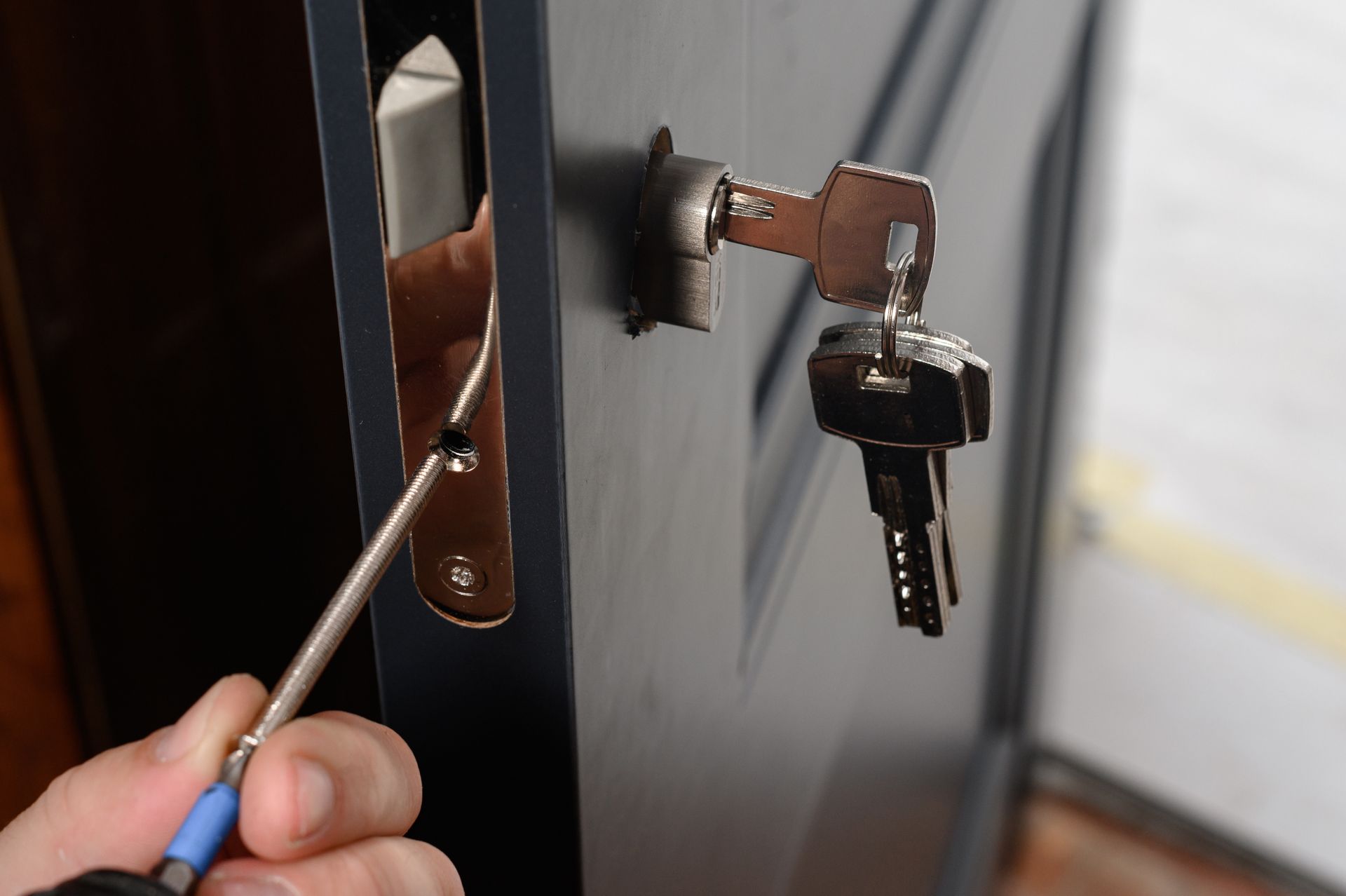
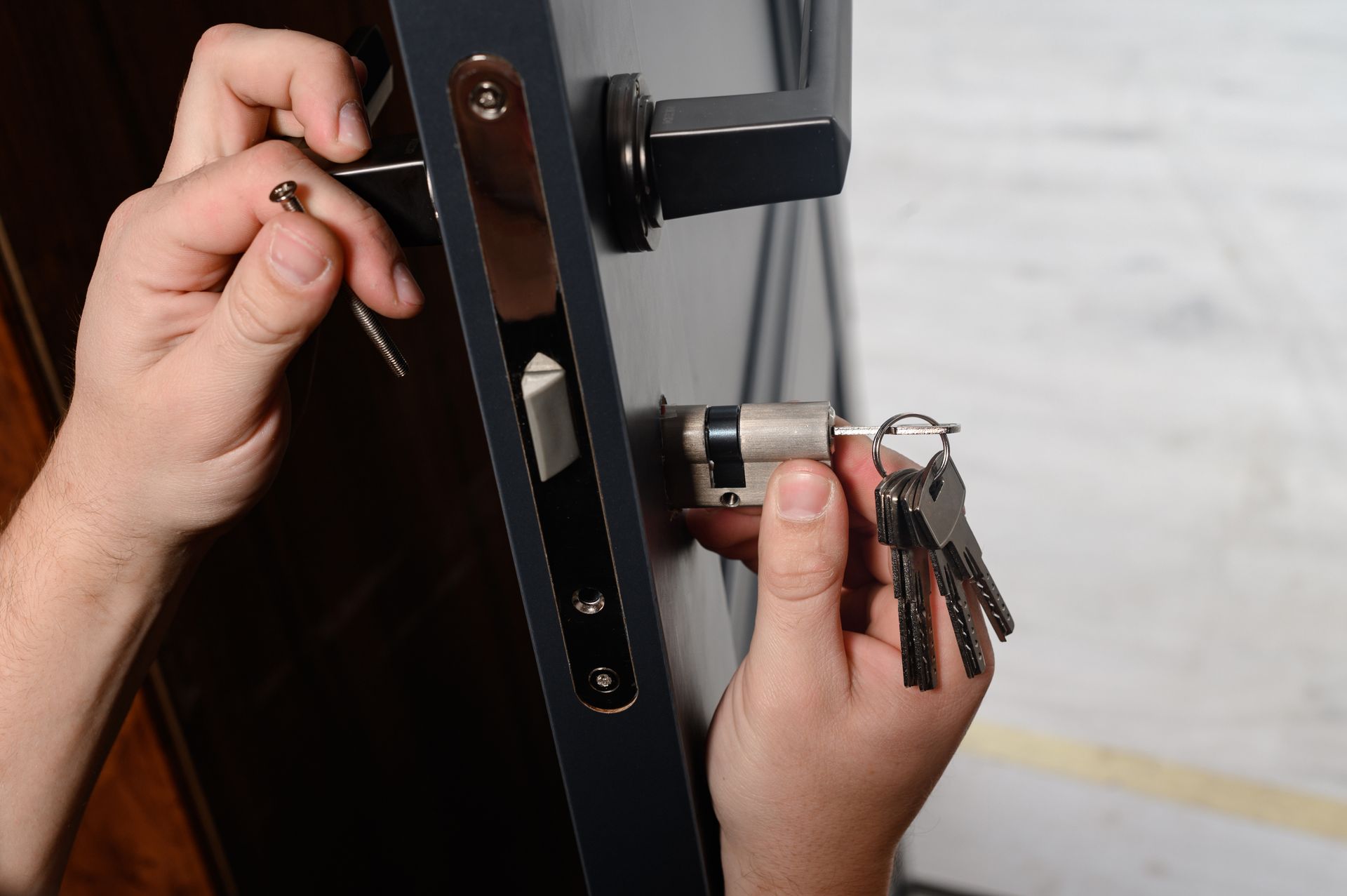
When a locksmith rekeys a lock, they remove the lock cylinder and change the internal pin configuration. The pins are small metal components inside the cylinder that must align in a specific pattern for the key to turn. A new set of pins means your old keys no longer work — the lock itself stays in place, only the internal mechanism changes. The result is the same security outcome as a new lock: only whoever holds the new key can get in.
Lock Replacement
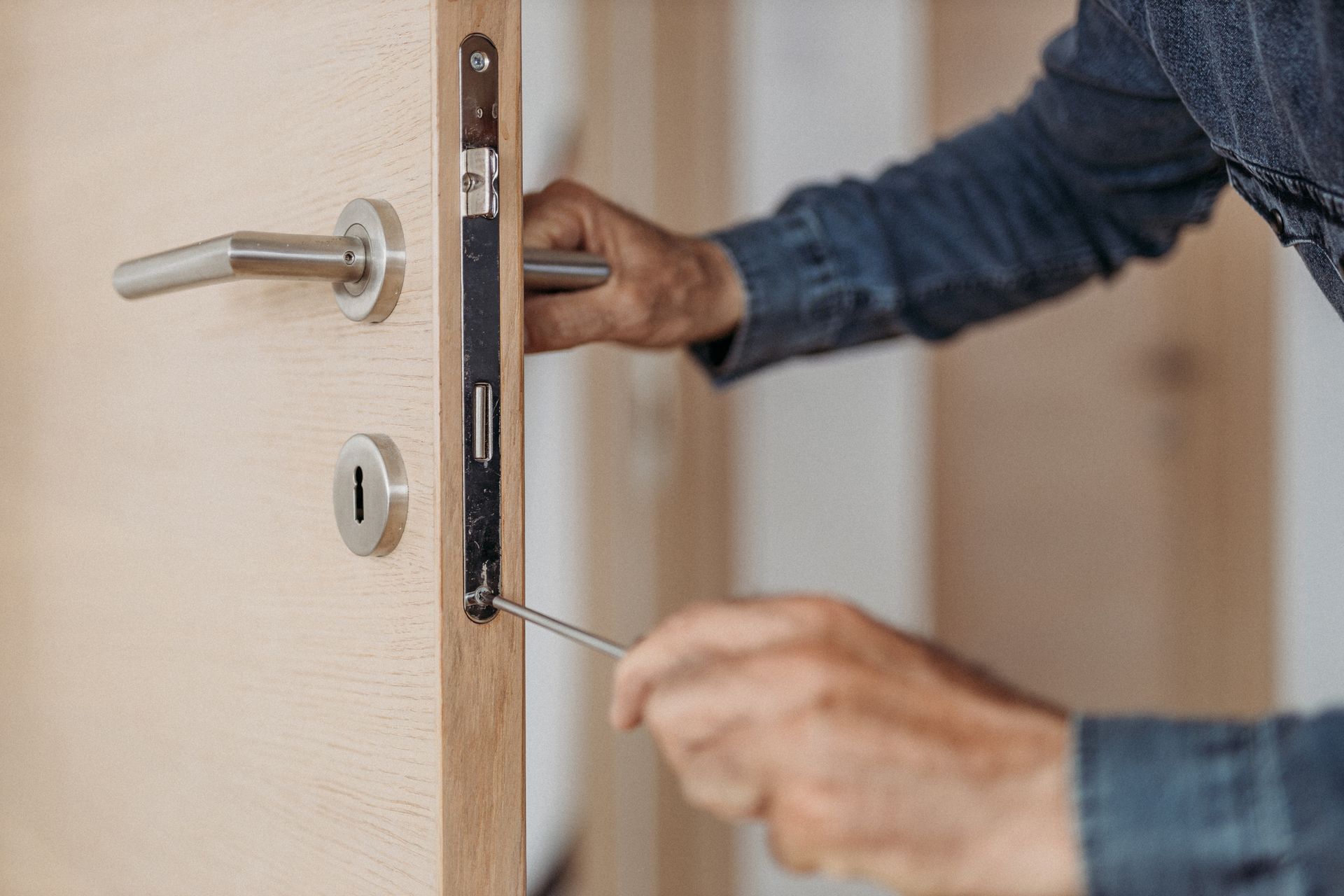
When a locksmith replaces a lock, they remove the entire hardware assembly — cylinder, body, strike plate — and install new equipment. You get a completely fresh lock with its own new keys. The door prep (the hole size and configuration) typically stays the same, but everything that touches a key is brand new.
The Cost Difference in Albuquerque
This is usually what drives the decision for most homeowners, and the gap is significant. In Albuquerque, rekeying a standard residential lock typically starts around $25–$50 per lock. Replacing a standard deadbolt — labor only, hardware not included — starts around $80–$150, plus the cost of the new hardware itself, which can range from $20 for a basic Grade 3 deadbolt to $150 or more for a Grade 1 high-security cylinder.
For a standard single-family home with three exterior locks, rekeying might cost $75–$150 total. Full replacement of the same three locks could cost $300–$600 or more depending on the hardware you choose. If the locks are in good condition, rekeying delivers the same security outcome at a fraction of the price.
Is Rekeying Actually as Secure as Replacing?
Yes — with one condition. Rekeying is as secure as replacing as long as the existing lock hardware is in good condition and at an appropriate security grade for your home. If your locks are old, worn, or low-grade to begin with, rekeying a weak lock still leaves you with a weak lock. In that case, replacement makes sense not because of the rekeying itself but because the hardware needs an upgrade regardless.
One thing rekeying cannot do: improve the physical strength of the lock body, the strike plate, or the door frame. If your security concern is forced entry rather than key control, the conversation shifts to hardware quality — and that is where replacement, with a higher-grade lock and reinforced strike plate, earns its cost.
When Rekeying Is the Right Call
- Moving into a new home. Previous owners, contractors, real estate agents, and neighbors may all have working keys. Rekeying all exterior locks on closing day is the single most cost-effective security step a new Albuquerque homeowner can take.
- A lost or stolen key. If the key is gone but there is no reason to believe it fell into the wrong hands, rekeying is faster and cheaper than full replacement.
- Tenant turnover. Property managers in Albuquerque who rekey between tenants protect both new tenants and themselves from liability. A locksmith can rekey an entire unit in under an hour.
- Roommate or relationship changes. Someone who previously had authorized access should no longer have it. Rekeying accomplishes this immediately without replacing hardware that may be relatively new.
- Master key simplification. A locksmith can rekey multiple locks to operate on a single key — convenient for homeowners managing several doors with different existing keys.
When Replacement Makes More Sense
- The lock is damaged or worn. A sticky cylinder, a latch that doesn't catch cleanly, or a lock that was forced during a break-in attempt should be replaced, not rekeyed.
- The hardware is low-grade. Grade 3 locks — the cheapest residential hardware — offer minimal resistance to forced entry. If you're moving into a home with builder-grade locks on all exterior doors, replacement with Grade 1 or Grade 2 hardware is worth the investment.
- You want to upgrade to keyless entry. If you're switching to a smart lock or digital keypad, you're replacing the hardware anyway. Rekeying is not relevant to this scenario.
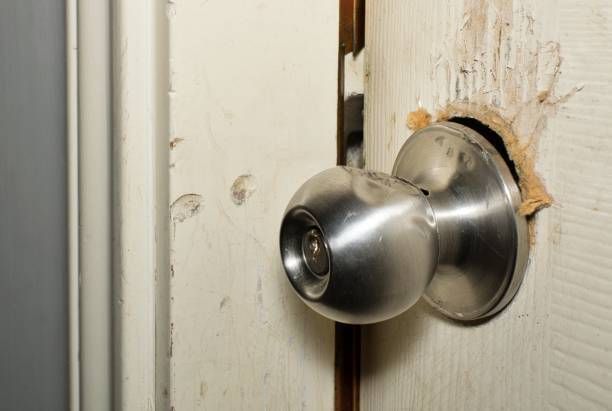
- The lock was compromised in a break-in. Any lock that was forced, picked, or damaged during an intrusion should be replaced. Rekeying a compromised cylinder does not restore its structural integrity.
What a Locksmith Will Tell You On-Site
The honest answer is that neither rekeying nor replacement is universally better — the right choice depends on the condition and grade of your existing hardware, what prompted the security concern, and what your budget allows. A professional locksmith can assess each lock individually and give you a straight recommendation with pricing before any work begins.
The Lock Shop provides on-site assessments for Albuquerque homeowners with no hidden fees and a price-match guarantee. For a full overview of what residential lock services include, visit our residential locksmith services in Albuquerque, NM page.
Bottom Line
If your locks are in good condition and your concern is key control — who has a working copy — rekey them. It is faster, cheaper, and delivers the same security result. If your locks are damaged, low-grade, or you are upgrading to new hardware anyway, replace them. When in doubt, have a locksmith look at them first.
Call The Lock Shop at (505) 221-1222 for same-day service across Albuquerque, or visit our locksmith services in Albuquerque, NM page to learn more about what we offer for residential and commercial clients.
Not sure whether to rekey or fully replace? See our comparison guide.